What exactly is BYD's DM-i hybrid technology?
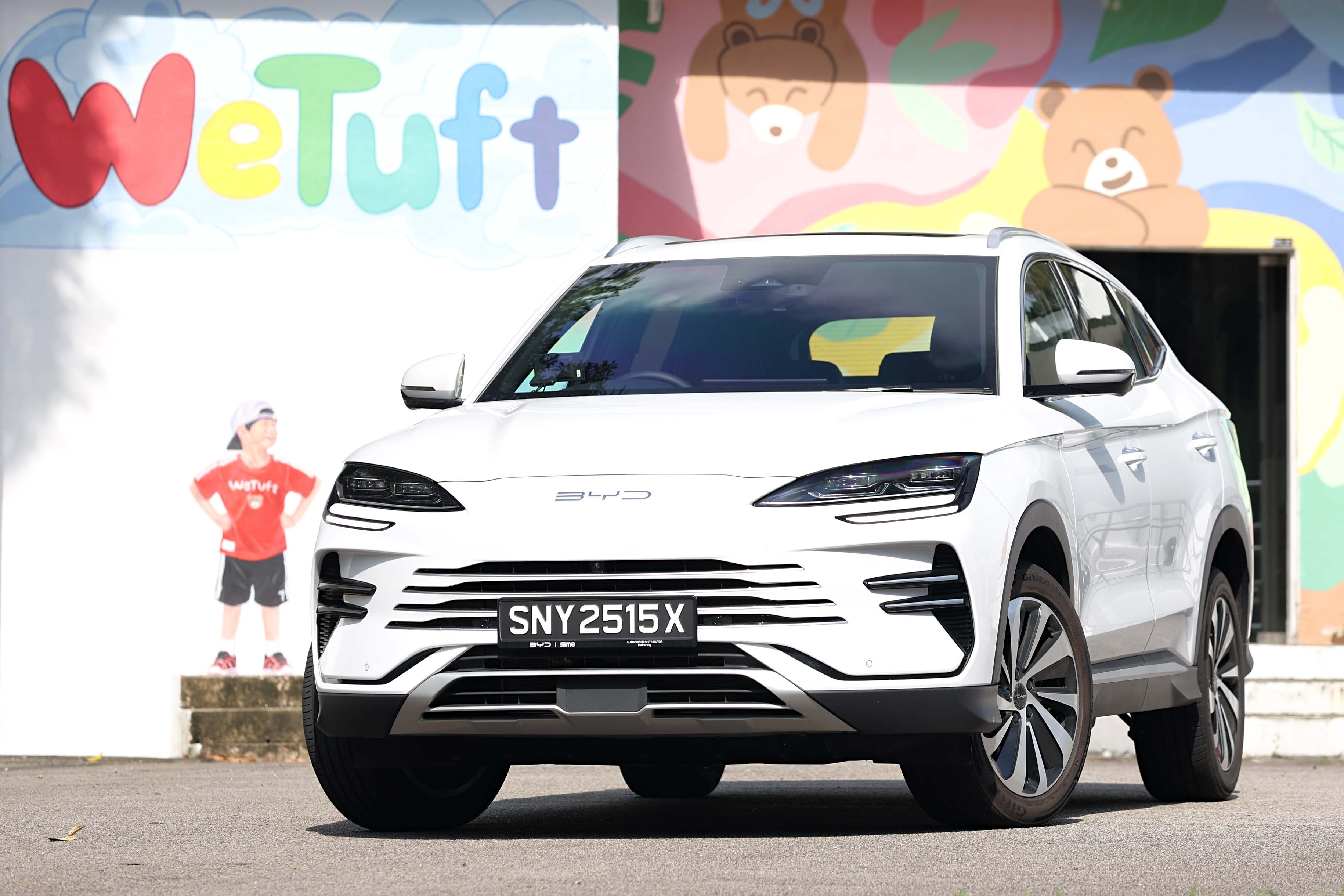
There’s been a lot of hoopla this year surrounding plug-in hybrids and, in particular, BYD’s new Sealion 6 DM-i. But what exactly is DM-i? Read on to find out.
Hybrid vehicles, like the Sealion 6 DM-i, combine the use of a combustion engine, an electric motor, and a battery to get the best of both worlds in terms of power and efficiency. But before we get into what exactly is DM-i, let’s understand the three main types of hybrid vehicles.
We have the mild hybrid, which utilises a small electric motor to assist the engine with minor tasks, such as the starter motor or accessory power. Generally, mild hybrid motors are unable to send power directly to the wheels, though there are some exceptions.
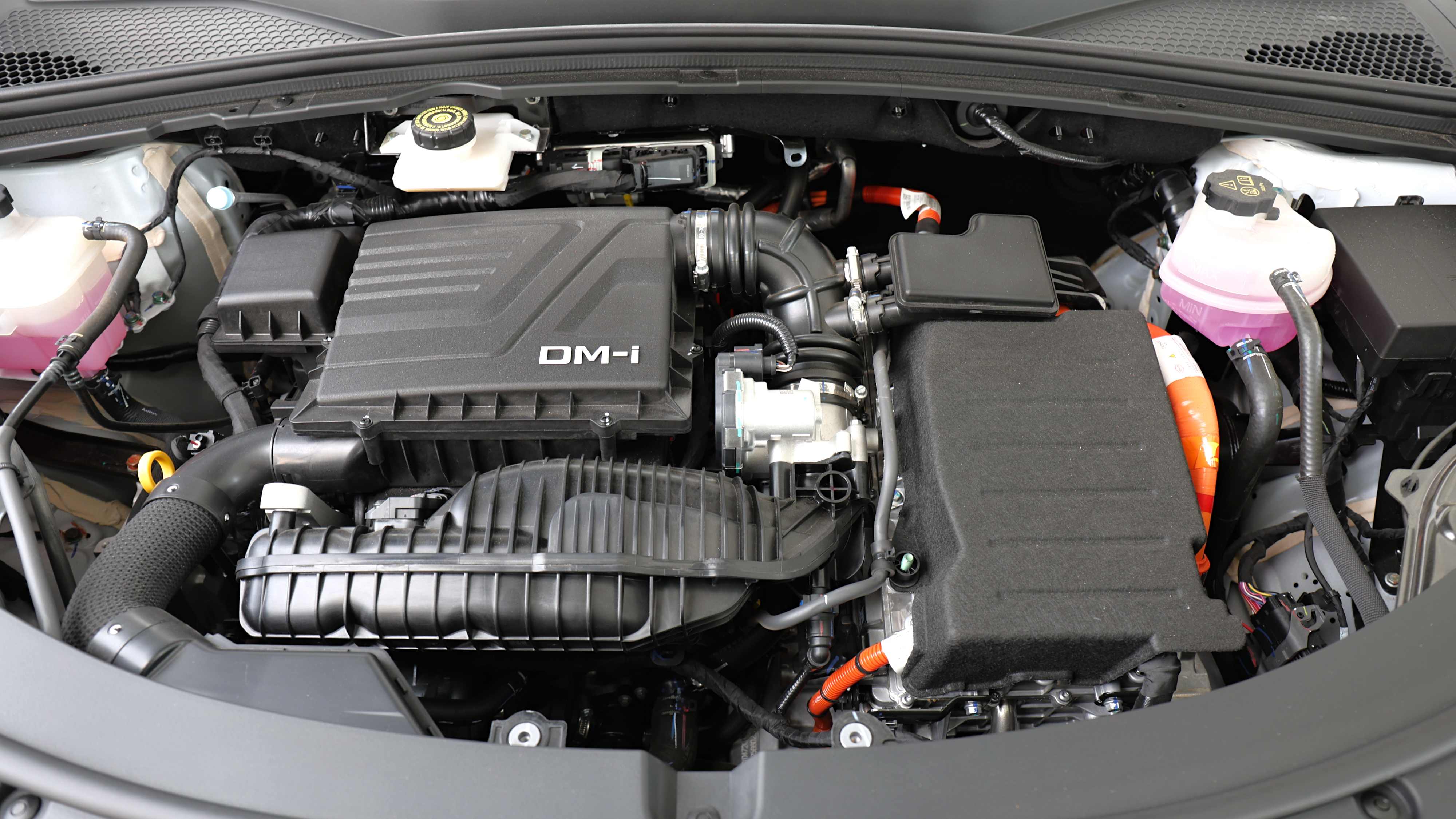 The Sealion 6 DM-i's 1.5-litre Xiaoyun engine and electrical gubbins for the DM-i hybrid system.
The next type is the full hybrid. This sort of hybrid can charge itself via regenerative braking or with the engine. This means that charging the hybrid battery is not necessary, as the car will handle it automatically. The electric motor in this setup can send power to the wheels, and usually helps the car with setting off from a standstill.
Lastly, a plug-in hybrid (PHEV) is largely similar to a full hybrid, except that it has a much larger battery that can be plugged in and charged independently of the fuel tank, hence the “plug-in hybrid” name. PHEVs are also generally able to run under pure electric power, in addition to working in conjunction with the combustion engine.
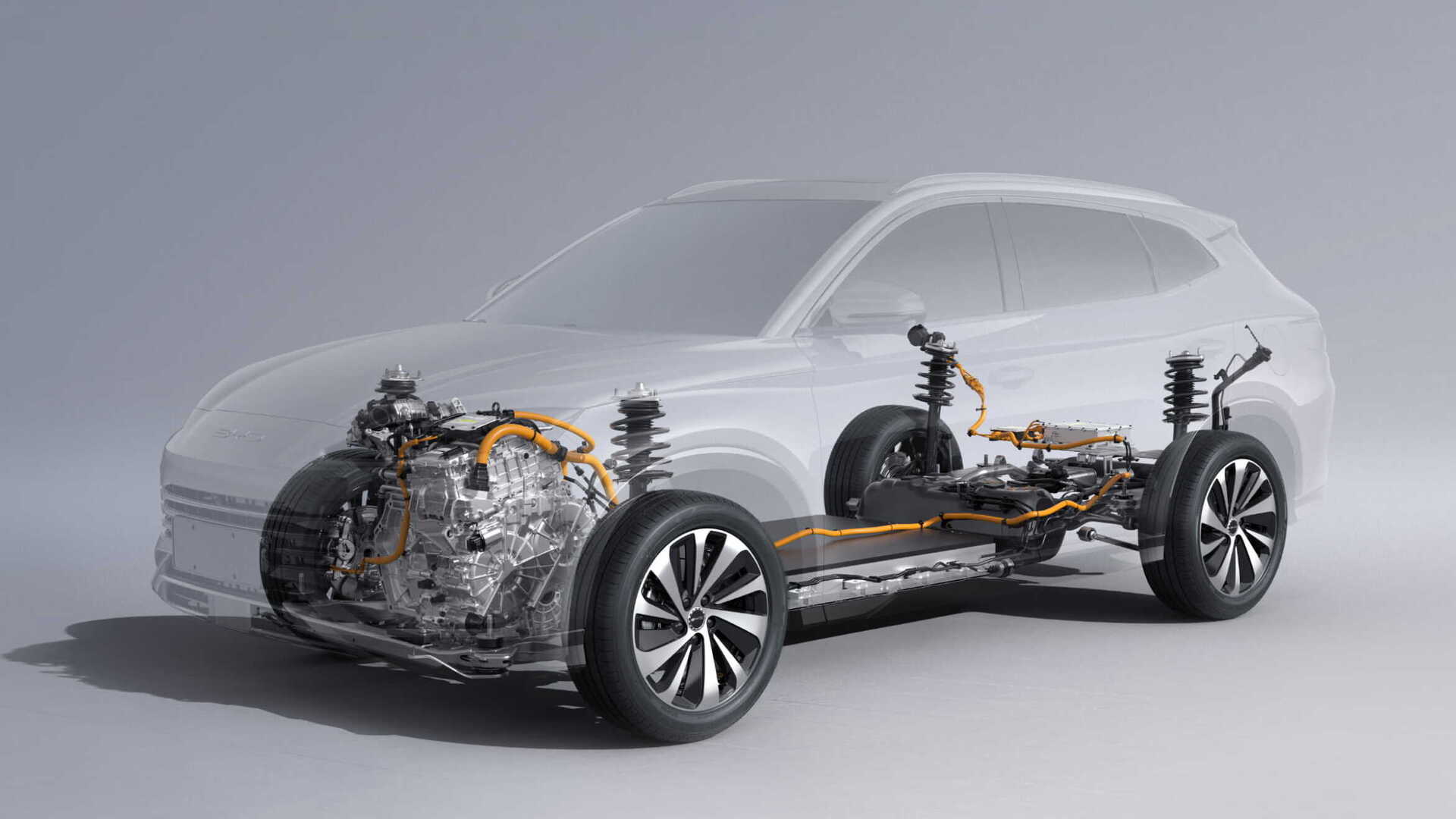 A cutaway depiction of the internals of the Sealion 6 DM-i.
BYD’s DM-i technology, which stands for Dual-Mode Intelligent, is a subtype of PHEV that uses an electric-first philosophy in how it delivers and distributes its energy usage. The electric motor does the heavy lifting in normal driving, passing the baton over to the combustion engine only at higher speeds where the motor is not as efficient. The motor and engine are also able to work in parallel to provide maximum power output.
The engine’s main purpose is actually to charge the battery up, keeping a healthy charge level in it for the motor to use. The battery is also able to recuperate energy through regenerative braking, a much more efficient way of charging as compared to using petrol power.
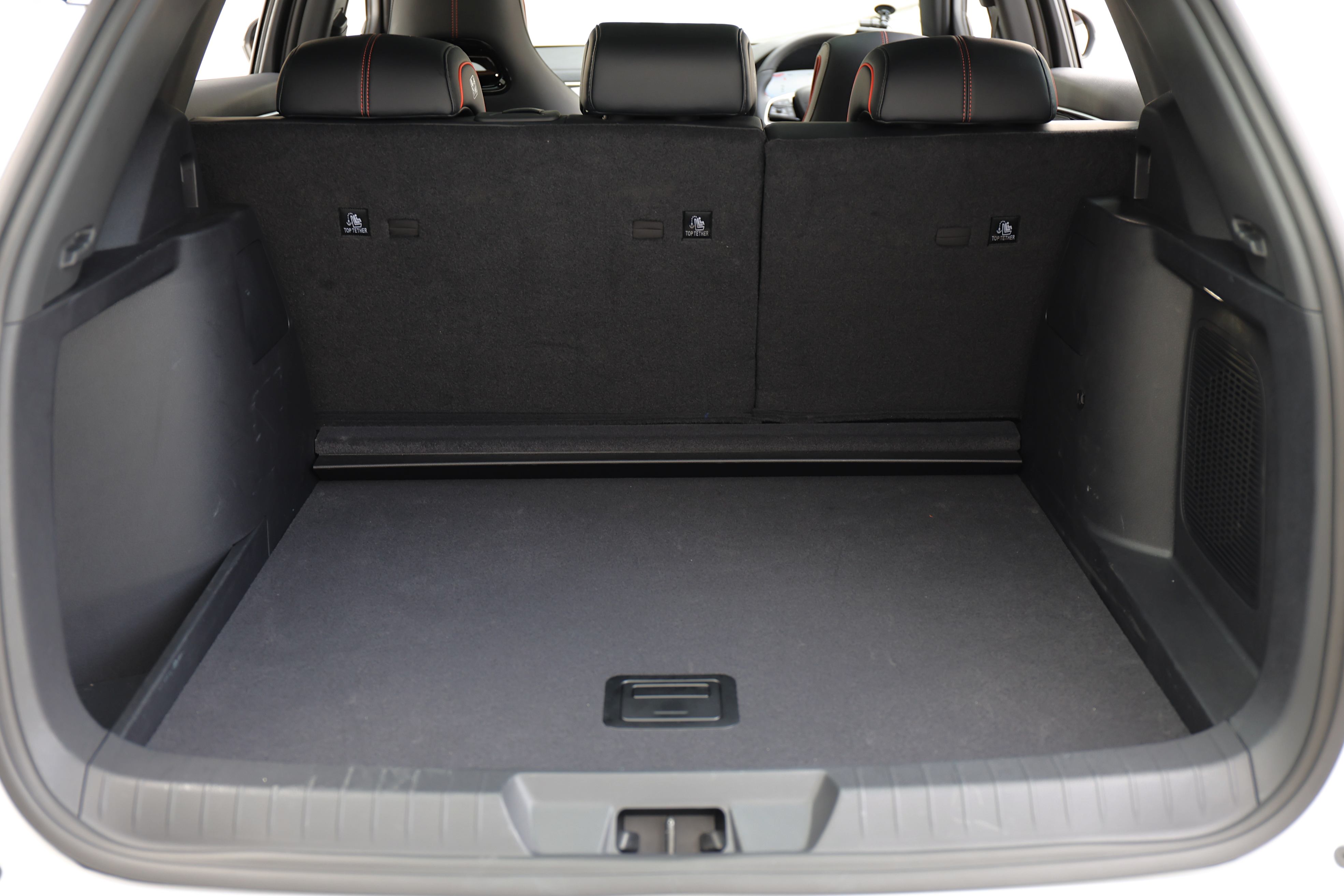 The BYD Blade battery is mounted under the floor, so your boot space isn't compromised at all.
The Sealion 6 DM-i to drive up to around 80km on a full charge of its 18.3kWh Blade battery, and thanks to the car diligently working to keep itself as efficient as possible, a real-world maximum range of around 900km is easily doable.
However, the biggest benefit of having a PHEV like the Sealion 6 DM-i is that for normal commuters, if you’re able to charge the car daily at home or the office, you’d never need to fill your car up with petrol unless you were doing a much longer drive.
As a disclaimer, this writer personally feels that the future of cars lies not in fully electric vehicles, but in hybrids like this one. And with technologies like BYD’s DM-i out there in the market and continuously being developed upon, can anyone blame me?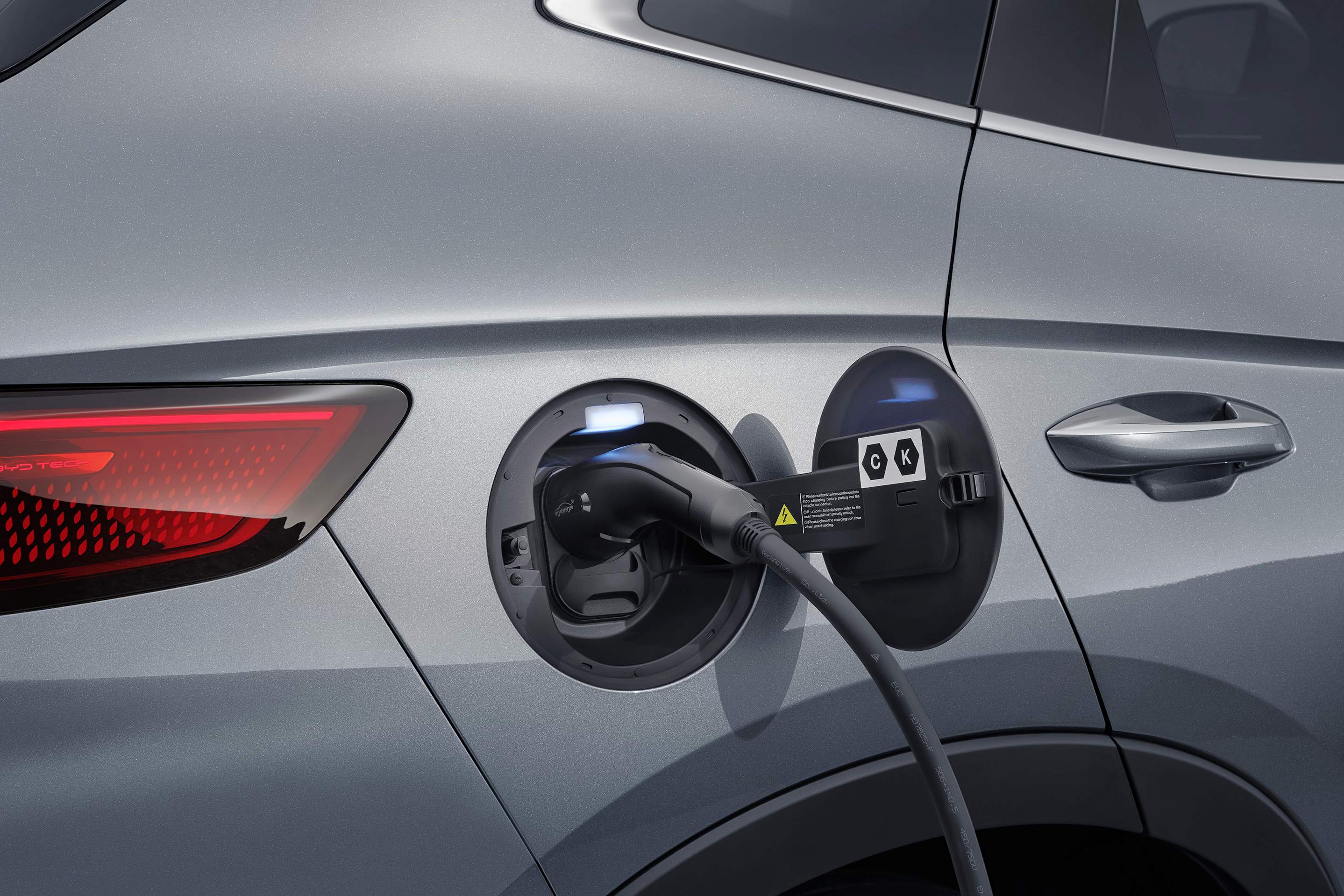 Recharge the Sealion 6 DM-i on this side and refuel (maybe once every three weeks) on the other side.
Read More: mReview: BYD Sealion 6 DM-i – The Best Of Both Worlds
Super App for
Vehicle Owners


Download the Motorist App now. Designed by drivers for drivers, this all-in-one app lets you receive the latest traffic updates, gives you access to live traffic cameras, and helps you manage LTA and vehicle matters
Did you know we have a Motorist Telegram Channel? Created exclusively for drivers and car owners in Singapore, you can get instant info about our latest promotions, articles, tips & hacks, or simply chat with the Motorist Team and fellow drivers.