EV battery heat in Singapore: Protect battery life and maximise range
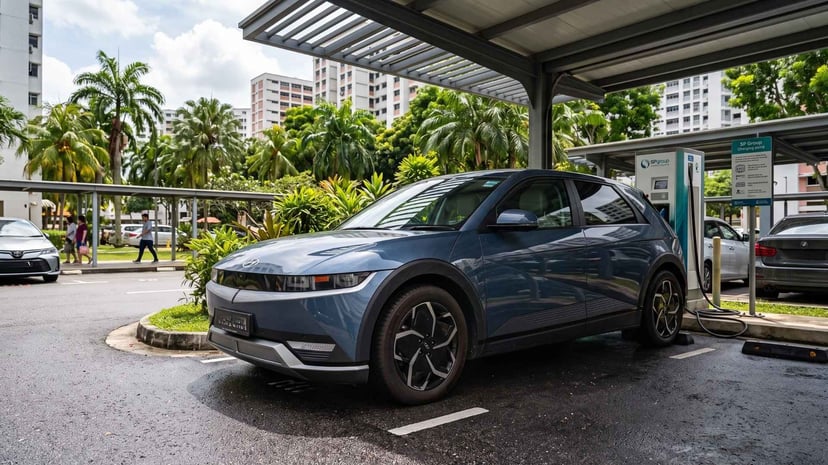
Electric vehicles are becoming increasingly common on Singapore's roads as more drivers embrace cleaner transportation and take advantage of lower running costs. Government incentives, expanding charging infrastructure and a wider selection of electric cars have made EV ownership more accessible than ever before. Despite this growing popularity, one question continues to concern both potential buyers and existing owners. Does Singapore's year round tropical heat damage an electric vehicle battery?
It is a reasonable concern because Singapore experiences consistently high temperatures, high humidity and intense sunlight throughout the year. Unlike countries with cooler climates or changing seasons, EV batteries in Singapore are exposed to warm conditions almost every day. Many people assume that this constant exposure to heat will quickly reduce battery life, shorten driving range and eventually result in expensive battery replacement costs.
The good news is that modern electric vehicles are specifically engineered to operate safely in a wide variety of climates, including tropical environments like Singapore. Although heat does have an effect on lithium ion batteries, today's EV manufacturers have developed advanced cooling systems and intelligent battery management software that significantly reduce the impact of high temperatures.
Understanding how heat affects your EV battery will help you develop better charging and driving habits that protect your investment over the long term. Whether you are considering buying your first EV or already drive one every day, knowing how to maximise battery health can save money and improve your ownership experience.
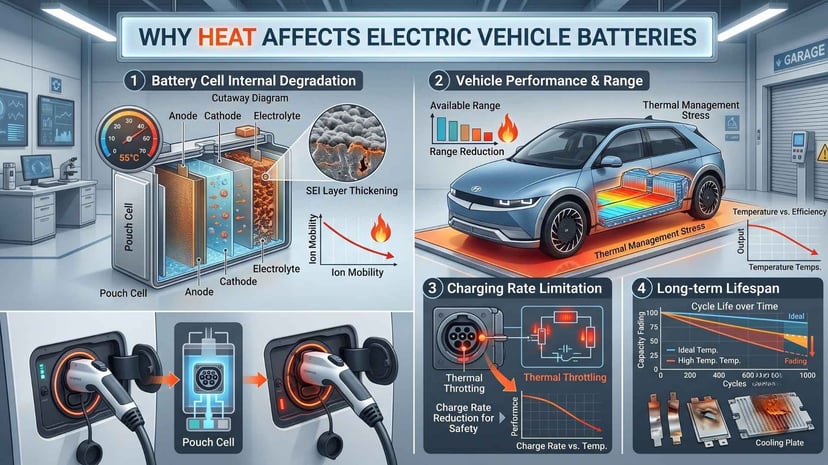
Why heat affects electric vehicle batteries
Every modern electric vehicle uses lithium ion battery technology. These batteries store energy through chemical reactions that occur whenever the battery is charged or discharged. Like all chemical reactions, they become more active as temperatures increase.
When a battery operates in a warmer environment, the internal chemical reactions happen at a faster rate. While this improves performance in some situations, prolonged exposure to high temperatures gradually accelerates battery ageing. This natural process is known as battery degradation.
Battery degradation means that the battery slowly loses its ability to store the same amount of energy as when it was new. Instead of suddenly failing, the battery experiences a gradual reduction in usable capacity over many years.
This reduction can lead to slightly shorter driving range, slower charging speeds in certain situations and a small decrease in overall efficiency. Fortunately, degradation happens slowly and is expected as part of the normal lifespan of every lithium ion battery.
Modern EV manufacturers design their batteries with this ageing process in mind. The battery packs include safety margins and reserve capacity that allow drivers to continue using the vehicle comfortably even after several years of ownership.
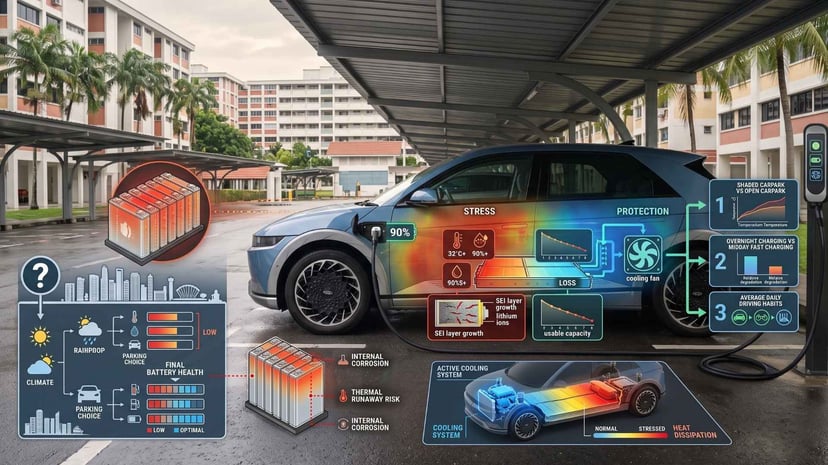
Does Singapore's climate damage EV batteries?
Singapore's tropical climate does contribute to faster battery ageing compared with colder countries. However, the difference is much smaller than many people expect.
Research from various EV manufacturers and battery studies consistently shows that most modern electric vehicle batteries retain well over seventy percent of their original capacity even after eight years of regular use. Many vehicles continue operating efficiently for well over ten years without requiring battery replacement.
The reason is simple. Modern EVs constantly monitor battery temperature through sophisticated Battery Management Systems, commonly known as BMS. These systems continuously measure battery conditions and activate cooling whenever necessary to maintain an ideal operating temperature.
Instead of allowing the battery to overheat, the vehicle automatically regulates temperature while driving, charging and even when parked after heavy use.
For the average Singapore driver travelling between thirty and sixty kilometres per day, the effects of tropical weather on battery life are unlikely to be noticeable during normal ownership.
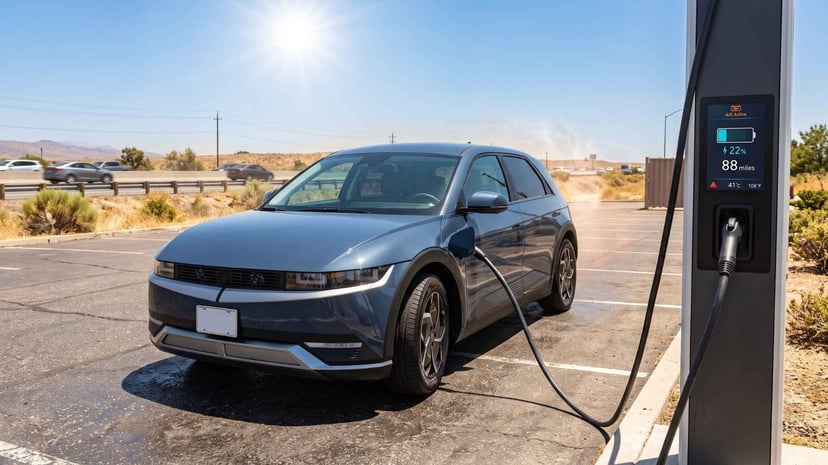
Why driving range changes during hot weather
Some EV owners notice that the estimated driving range appears lower during particularly hot afternoons. This does not necessarily mean the battery has become weaker.
In reality, the vehicle uses additional electricity to maintain comfortable cabin temperatures and protect the battery itself.
Air conditioning is one of the largest electricity consumers inside any electric vehicle. During Singapore's hottest days, the air conditioning system works harder to cool the cabin. At the same time, the battery cooling system may also activate to regulate battery temperature.
Both systems require electricity, which means slightly less energy remains available for driving.
Depending on traffic conditions, driving style and outside temperatures, drivers may notice a temporary reduction in driving range of approximately five to fifteen percent.
Once temperatures become cooler or the cooling systems require less energy, the vehicle's efficiency generally returns to normal.
How battery cooling systems protect your EV
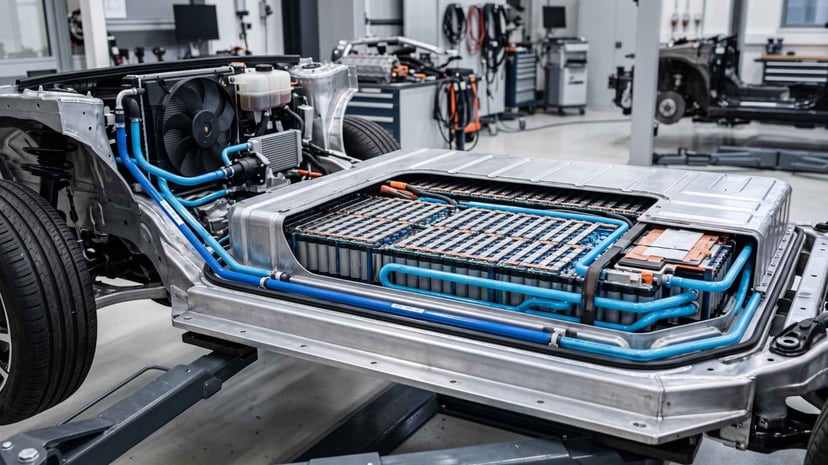
One of the biggest differences between modern electric vehicles and older battery technology is the inclusion of advanced thermal management systems.
Most premium EVs use liquid cooling systems that circulate coolant around the battery pack. Some manufacturers combine refrigerant cooling with liquid cooling for even better temperature control.
These systems actively maintain battery temperatures within an optimal operating range regardless of whether the vehicle is driving, charging or parked after long journeys.
If battery temperatures begin increasing beyond safe limits, the Battery Management System automatically activates cooling to protect battery health.
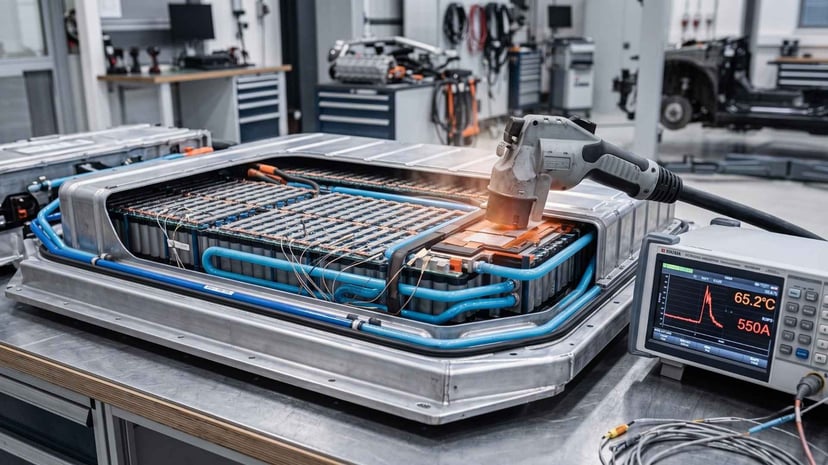
Some vehicles may temporarily reduce charging speed if the battery becomes too warm. While this may seem inconvenient, it actually protects the battery from unnecessary stress and extends its lifespan.
Does fast charging damage EV batteries?
DC fast charging has transformed EV ownership by allowing drivers to recharge significant battery capacity within a short period. This convenience makes long distance travel much easier.
However, fast charging naturally generates more heat than slower AC charging.
The additional heat itself is not dangerous because the battery management system continuously regulates temperatures throughout the charging session.
The concern arises when drivers repeatedly fast charge their vehicles several times each day, particularly during very hot weather.
Frequent exposure to high charging temperatures may slightly accelerate battery degradation over many years.
Fortunately, this situation rarely applies to typical Singapore drivers.
For everyday commuting, overnight AC charging remains the most battery friendly option because it produces less heat while charging at a slower rate.
Using DC fast charging occasionally for road trips or busy schedules is perfectly acceptable and is fully supported by EV manufacturers.
LFP and NMC: Which EV battery type performs better in Singapore?
Not all electric vehicle batteries use the same chemistry.
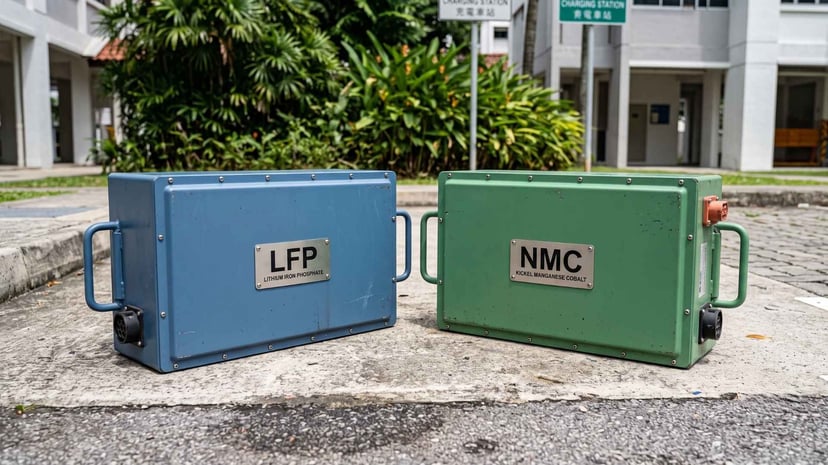
Two of the most common battery types available today are Lithium Iron Phosphate, commonly known as LFP, and Nickel Manganese Cobalt, commonly known as NMC.
LFP batteries have become increasingly popular because they offer excellent durability, outstanding thermal stability and a very long charging cycle life.
These batteries tolerate higher operating temperatures particularly well, making them highly suitable for tropical climates like Singapore.
Many affordable electric vehicles from brands such as BYD and Tesla Standard Range models now use LFP battery technology.
NMC batteries offer higher energy density, allowing manufacturers to achieve longer driving ranges without significantly increasing battery size or weight.
Many premium electric vehicles from Hyundai, Kia, BMW, Mercedes Benz and other manufacturers continue using NMC batteries because they provide superior range performance.
Both battery types perform well in Singapore when properly managed by modern battery cooling systems.
Everyday habits that help extend EV battery life
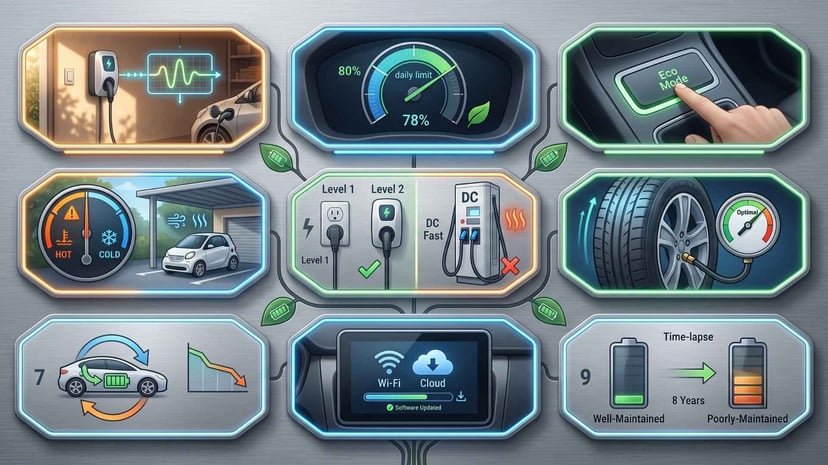
Although Singapore's climate cannot be changed, your daily habits can make a meaningful difference to long term battery health.
Parking under shelter whenever possible helps reduce overall battery temperature. Basement car parks, covered parking structures and shaded locations all reduce prolonged heat exposure.
Avoid leaving your EV fully charged for extended periods unless you plan to drive shortly afterwards. Most manufacturers recommend charging between twenty percent and eighty percent for daily use because this reduces battery stress.
Reserve one hundred percent charging for occasions when maximum driving range is required, such as longer journeys.
Whenever practical, schedule overnight AC charging instead of relying exclusively on daytime fast charging. Cooler nighttime temperatures create a more favourable charging environment.
If your vehicle includes remote climate control, pre cooling the cabin while the vehicle remains connected to the charger helps reduce battery energy consumption during the first part of your journey.
These simple habits require very little effort but contribute positively to long term battery performance.
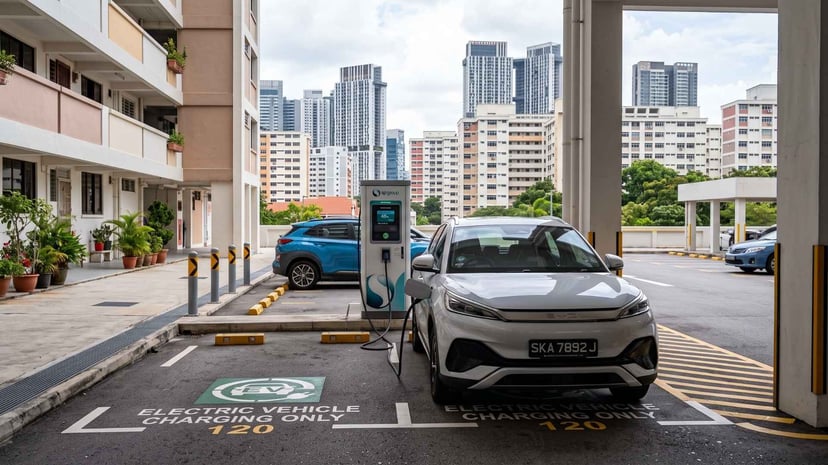
Common myths about EV batteries in Singapore
Many misconceptions continue circulating among potential EV buyers.
One common myth suggests that Singapore's heat will destroy an EV battery within only a few years.
This is simply not true.
Modern EV batteries undergo extensive testing in some of the world's harshest climates before reaching customers.
Another misconception is that replacing an EV battery will always be necessary after eight years.
In reality, battery warranties generally guarantee minimum performance rather than predicting battery failure. Most batteries continue operating efficiently well beyond their warranty period.
Some people also believe they should never use fast charging.
Manufacturers specifically design batteries for regular fast charging. The key is moderation rather than complete avoidance.
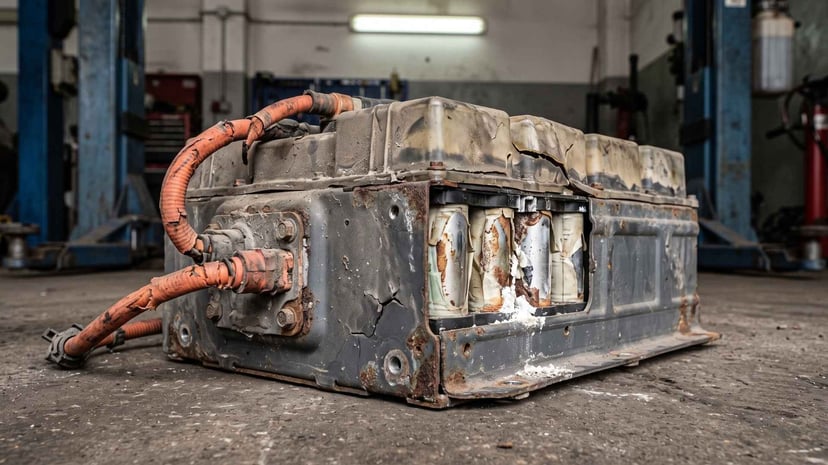
What happens as an EV battery ages?
Battery ageing is gradual and predictable.
Instead of suddenly losing performance, drivers typically notice very small changes over many years.
The maximum driving range slowly decreases because the battery stores slightly less energy than when new.
Charging times remain largely similar because charging systems adapt automatically to changing battery conditions.
For most drivers, these changes are so gradual that they are barely noticeable during normal ownership.
Many taxi operators, fleet companies and private owners continue driving electric vehicles with high mileage while maintaining excellent reliability.
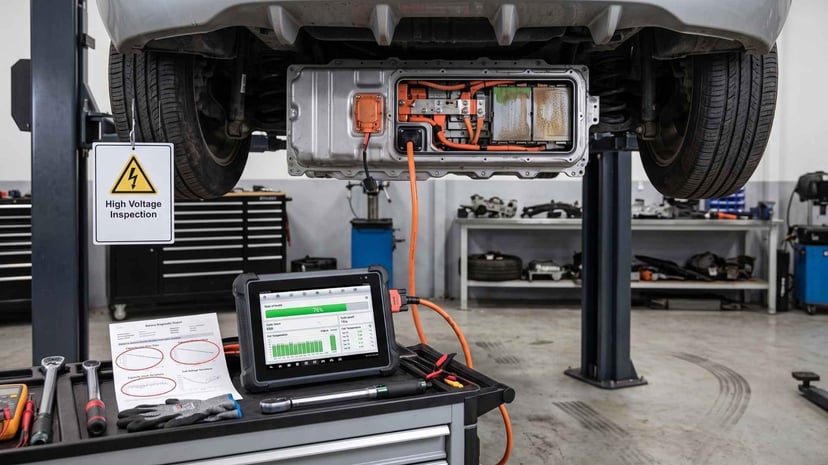
Why EV battery health matters when buying a used electric vehicle
As Singapore's used EV market continues expanding, battery health will become one of the most important factors affecting resale value.
Unlike conventional petrol vehicles where buyers focus heavily on engine condition, used EV buyers pay close attention to battery capacity.
A well maintained battery can significantly increase buyer confidence and improve resale value.
Keeping service records, following manufacturer charging recommendations and maintaining regular vehicle servicing all contribute to stronger resale appeal.
How Motorist Singapore helps EV owners
Owning an electric vehicle involves much more than simply charging the battery.
Drivers still need to manage insurance renewals, servicing schedules, road tax deadlines, financing options and eventual vehicle resale.
Motorist Singapore brings all these services together in one convenient platform.
Using the Motorist app, EV owners can receive timely reminders for important vehicle deadlines, compare insurance quotations, explore financing solutions and connect with trusted workshops across Singapore.
If you eventually decide to upgrade to a newer electric vehicle, Motorist Singapore also makes it easy to obtain competitive offers when selling your existing car.
Instead of managing multiple automotive services separately, drivers can conveniently handle their ownership journey through one trusted platform.
Whether you are purchasing your first EV or upgrading your current vehicle, Motorist Singapore simplifies every stage of ownership while helping drivers make informed decisions.
Frequently Asked Questions
1. Does Singapore's hot weather permanently damage EV batteries?
No. Modern electric vehicles are designed for tropical climates and include sophisticated battery cooling systems that protect battery health throughout daily operation.
2. How much battery degradation is normal?
Most modern EV batteries lose capacity gradually over many years. Many still retain well over seventy percent of their original capacity after eight years of normal driving.
3. Should I charge my EV to 100% every day?
For daily driving, most manufacturers recommend charging between twenty percent and eighty percent. Charging to one hundred percent is generally best reserved for longer journeys.
4. Is overnight charging better?
Yes. Overnight AC charging generates less heat and is generally considered the healthiest charging method for long term battery performance.
5. Which battery chemistry is better for Singapore?
Both LFP and NMC batteries perform well in Singapore. LFP batteries generally offer better heat tolerance and longer charging cycle life, while NMC batteries usually provide longer driving range.
Final thoughts
Singapore's tropical climate does influence electric vehicle batteries, but the impact is often misunderstood and greatly exaggerated. Modern EVs are equipped with intelligent battery management systems, advanced cooling technologies and durable battery chemistries that are specifically designed to handle demanding environmental conditions. For the vast majority of drivers, the battery will continue delivering reliable performance for many years without significant issues.
The most important factors affecting battery longevity are everyday ownership habits rather than Singapore's weather alone. Parking in shaded areas, following recommended charging practices and avoiding unnecessary stress on the battery all help maximise long term performance.
As electric vehicles continue becoming a larger part of Singapore's transport landscape, understanding battery care will help drivers enjoy lower running costs, greater confidence and stronger resale value.
Whether you already own an EV or are considering making the switch, Motorist Singapore is your trusted automotive partner. From insurance comparisons and servicing reminders to financing solutions and vehicle sales, Motorist Singapore provides everything you need to enjoy a smarter, simpler and more rewarding EV ownership experience.
Read More: Singapore's largest public EV charging hub opens in Great World
Super App for
Vehicle Owners


Download the Motorist App now. Designed by drivers for drivers, this all-in-one app lets you receive the latest traffic updates, gives you access to live traffic cameras, and helps you manage LTA and vehicle matters.
Did you know we have a Motorist Telegram Channel? Created exclusively for drivers and car owners in Singapore, you can get instant info about our latest promotions, articles, tips & hacks, or simply chat with the Motorist Team and fellow drivers.