What to do if your car starts aquaplaning
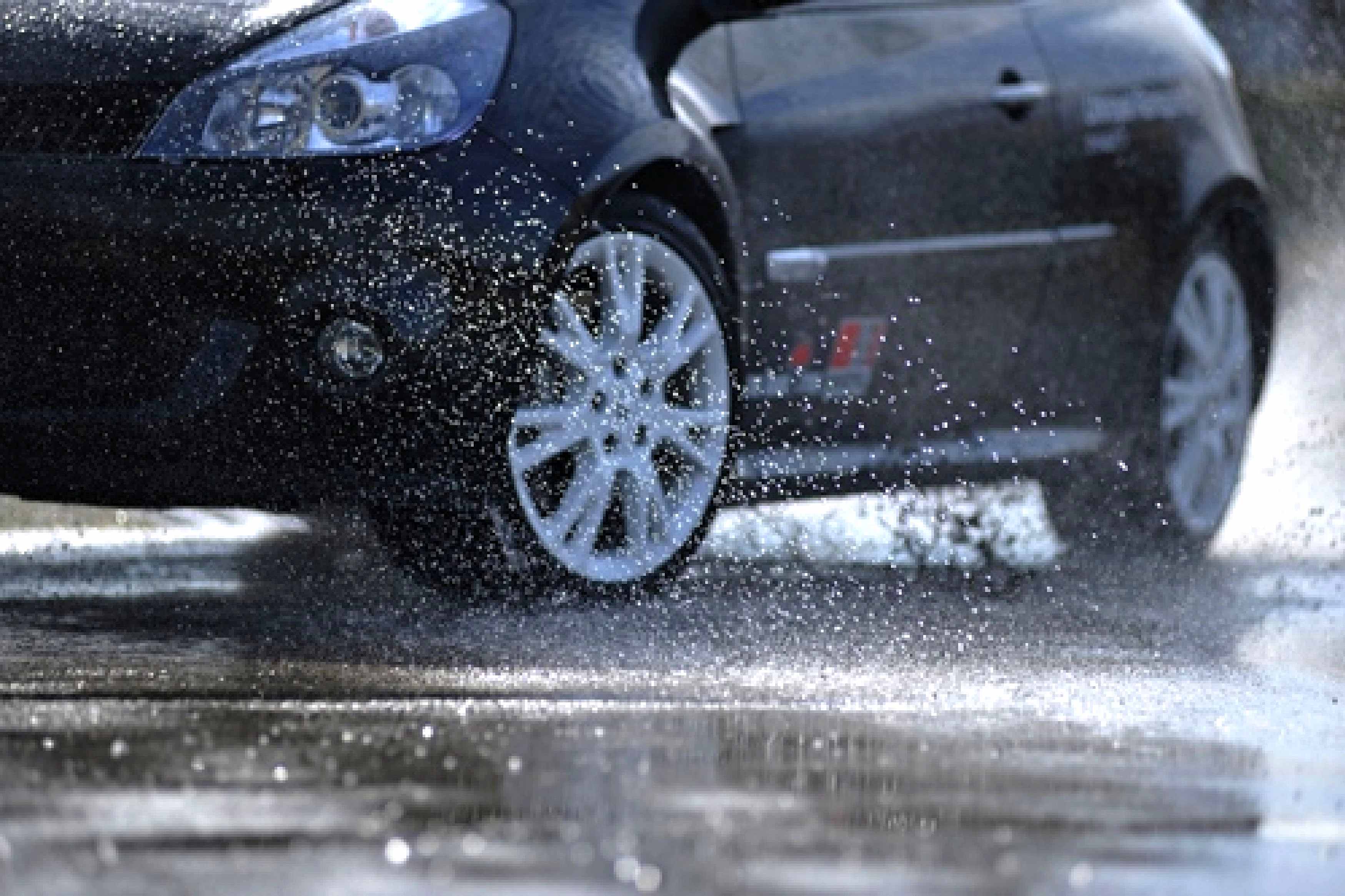 Heavy rain is a common occurrence in Singapore, and while most motorists know to slow down when the roads are wet, many may not be familiar with one of the biggest dangers of driving in these conditions: aquaplaning.
Aquaplaning, also known as hydroplaning, occurs when your tyres lose contact with the road because a layer of water builds up between the tyres and the road surface. When this happens, your car may stop responding to steering, braking or acceleration, making it feel as though the vehicle is "floating".
Although aquaplaning usually lasts only a few seconds, knowing how to react can make all the difference.
What causes aquaplaning?
Aquaplaning happens when your tyres cannot disperse water quickly enough. Instead of gripping the road, the tyres ride on top of the water, causing a temporary loss of traction.
Several factors can increase the likelihood of aquaplaning. These include driving too quickly on wet roads, worn tyres with insufficient tread depth, heavy rainfall, standing water and sudden steering or braking inputs.
Even vehicles fitted with modern safety systems can experience aquaplaning if conditions are severe enough.
How do you know if your car is aquaplaning?
Aquaplaning often happens without warning.
You may notice that the steering wheel suddenly feels light, the vehicle does not respond to your steering inputs, or the engine revs increase without a corresponding increase in speed. Some drivers also describe the sensation as if the car is gliding or floating across the road.
If you experience any of these signs during heavy rain, remain calm and avoid making sudden movements.
What should you do if your car starts aquaplaning?
The most important thing is not to panic.
Take your foot off the accelerator and allow the vehicle to slow down naturally. Keep both hands firmly on the steering wheel and continue pointing the car in the direction you want it to travel.
Avoid slamming on the brakes or making sudden steering corrections, as these actions can cause the tyres to regain grip abruptly, increasing the risk of losing control.
Once the tyres reconnect with the road surface, you should gradually regain steering and braking control.
What should you avoid doing?
Many drivers instinctively brake hard when they feel the car losing control, but this is one of the worst things you can do.
Sudden braking, aggressive steering or rapid acceleration can make the situation worse by upsetting the vehicle's balance. Instead, remain composed and allow the vehicle to slow down smoothly until traction returns.
Staying calm is often the most effective response.
How can you reduce the risk of aquaplaning?
While aquaplaning cannot always be avoided, there are several ways to reduce the risk.
Drive at an appropriate speed whenever the roads are wet, especially during heavy downpours. Increasing your following distance gives you more time to react if conditions suddenly change.
Your tyres also play a crucial role. Ensure they have sufficient tread depth and are inflated to the correct pressure. Worn or underinflated tyres are less effective at channelling water away from the contact patch.
Avoid driving through large puddles or areas where water has accumulated whenever it is safe to do so. Even shallow-looking puddles can hide deeper water beneath the surface.
Finally, ensure your windscreen wipers are in good condition and your headlights are switched on during heavy rain to improve visibility for yourself and other road users.
Is aquaplaning common in Singapore?
Singapore's frequent tropical storms and sudden heavy rainfall mean aquaplaning is a risk that every driver should be aware of.
Expressways are generally well-drained, but standing water can still develop during intense downpours, particularly in low-lying areas or where rainwater accumulates faster than it can drain away.
Drivers should always adjust their speed according to the road conditions rather than relying solely on the posted speed limit.
Stay safe when the weather changes
Heavy rain can quickly transform familiar roads into challenging driving conditions.
By slowing down, maintaining your tyres, increasing your following distance and knowing how to react if aquaplaning occurs, you can significantly reduce the risk of losing control.
The next time the skies open up, remember that arriving safely is always more important than arriving a few minutes earlier.
Frequently Asked Questions
What is aquaplaning?
Aquaplaning occurs when a layer of water builds up between your tyres and the road surface, causing your tyres to lose grip and reducing your ability to steer, brake or accelerate effectively.
Is aquaplaning dangerous?
Yes. Because your tyres temporarily lose contact with the road, you may have limited control of your vehicle until traction is restored.
Should I brake if my car starts aquaplaning?
Avoid braking suddenly. Instead, ease off the accelerator, keep the steering wheel steady and allow the vehicle to slow down naturally until the tyres regain grip.
Can new tyres prevent aquaplaning?
No tyre can completelyeliminate the risk, but tyres with good tread depth and the correct tyre pressure are much better at dispersing water and reducing the likelihood of aquaplaning.
Does aquaplaning only happen at high speeds?
Aquaplaning is more likely at higher speeds, but it can also occur at lower speeds if there is significant standing water or your tyres are badly worn.
Drive smarter with Motorist Singapore
Rainy weather is unpredictable, but being prepared can help you stay safe on every journey. Whether you're looking for practical driving advice, vehicle maintenance tips or the latest automotive news, Motorist Singapore is here to support you throughout your car ownership journey.
Read More: The Motorist Guide to common tyre problems - spot them and solve them [2025 update]
Super App for
Vehicle Owners


Download the Motorist App now. Designed by drivers for drivers, this all-in-one app lets you receive the latest traffic updates, gives you access to live traffic cameras, and helps you manage LTA and vehicle matters.
Did you know we have a Motorist Telegram Channel? Created exclusively for drivers and car owners in Singapore, you can get instant info about our latest promotions, articles, tips & hacks, or simply chat with the Motorist Team and fellow drivers.