When bigger isn’t always better - why some Singaporeans regret buying large cars
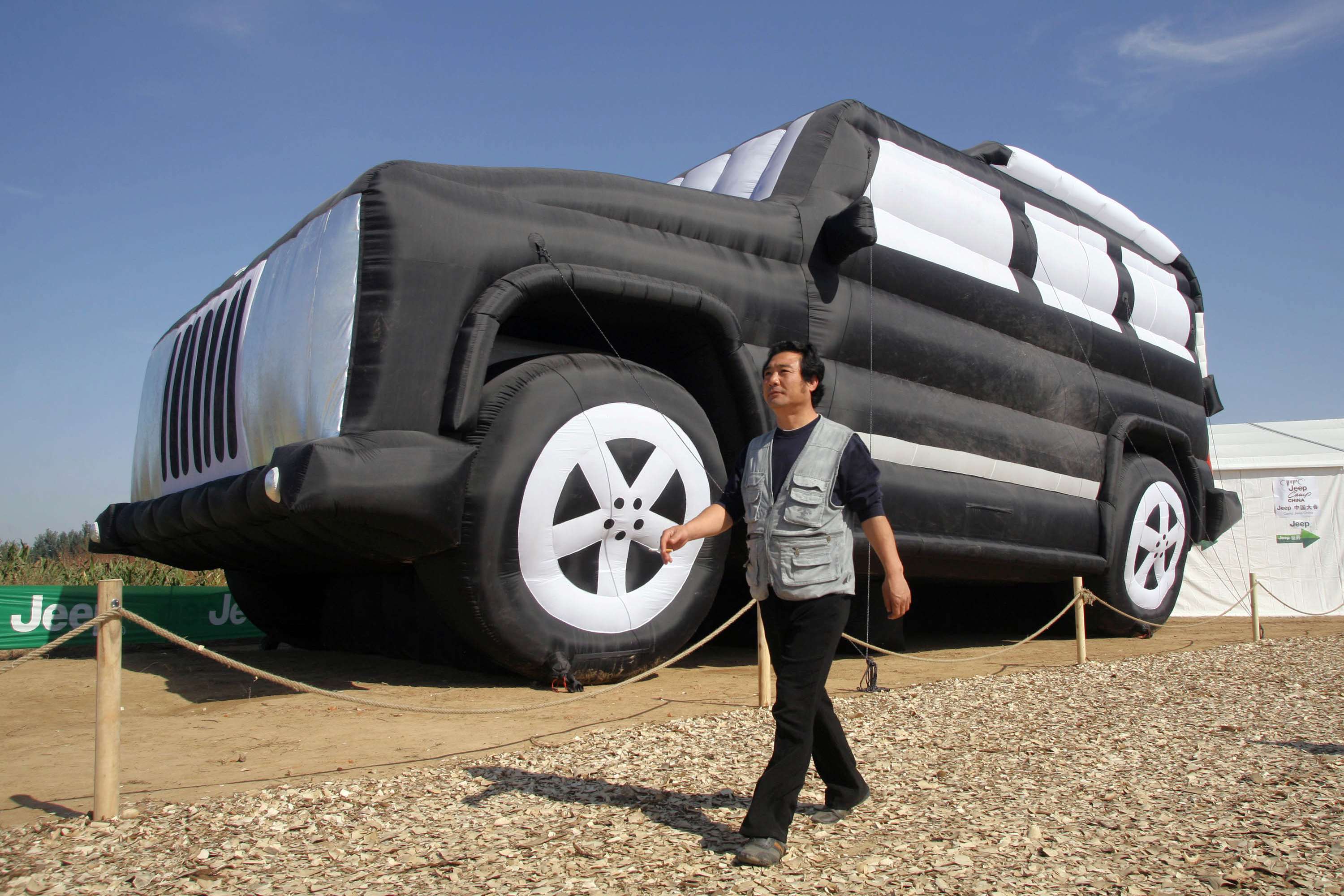
Buying a bigger car often feels like an upgrade, because it promises more space, greater comfort and a sense of status.
In Singapore, many drivers move from compact cars to SUVs, MPVs or large sedans, thinking it will improve their daily driving experience. However, not everyone ends up satisfied. Over time, some Singaporeans regret the decision, especially when the realities of big-car ownership set in.
One of the biggest reasons is the rising cost of fuel. Larger vehicles typically come with bigger engines, which consume more petrol. While this may not feel significant during the first few months, it becomes noticeable as fuel expenses add up. With expensive petrol prices in Singapore, drivers of bigger cars often find themselves spending far more than expected just to maintain their everyday commute.
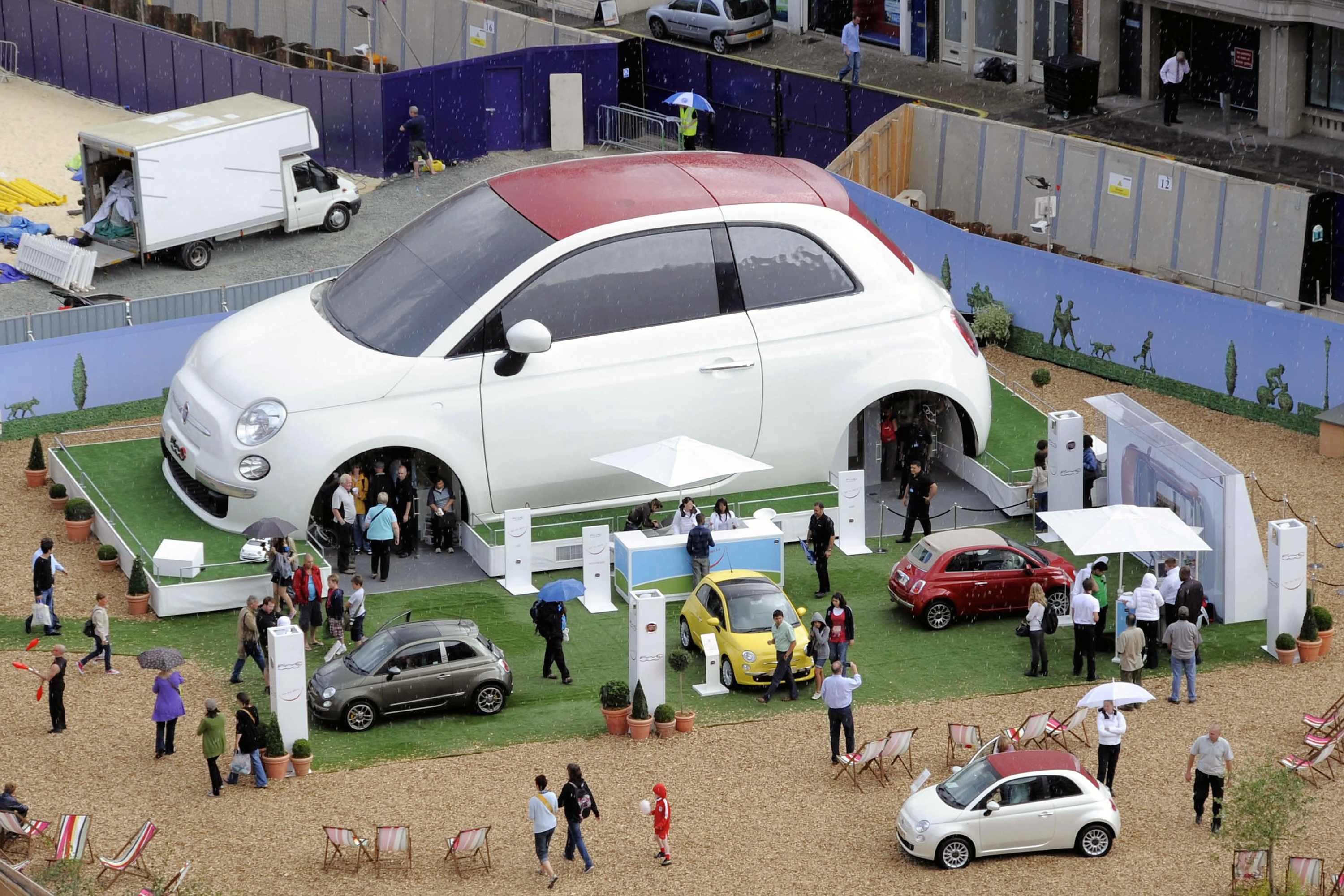
Another common issue is parking. In urban areas such as downtown or the central business district, parking spaces are often tight in size and limited in availability.
Larger cars are harder to manoeuvre into small spots, increasing the risk of scratches or minor accidents. What once seemed like a comfortable upgrade can quickly turn into a daily inconvenience, especially in crowded malls, office buildings, and residential areas.
Maintenance costs also play a major role in big-car buyer's remorse.
Bigger cars generally require more expensive parts, larger/costlier tyres, and higher servicing costs. Routine maintenance such as brake replacements, tyre changes, and engine servicing can cost significantly more compared to smaller vehicles. Over time, these expenses could strain a car owner’s budget, particularly if the purchase was already at the upper limit of affordability.
Insurance premiums are another factor that many car buyers overlook.
Larger and more expensive vehicles typically come with higher insurance costs. While this may seem manageable initially, it becomes a recurring annual expense that adds to the overall cost of motoring. Combined with road tax, which is also higher for bigger engine capacities, the financial commitment becomes more substantial than anticipated.
Driving comfort in rush-hour traffic conditions is another reason why some drivers rethink their decision to "drive big".
While larger cars are often marketed as more comfortable, they are not always practical for daily use. Navigating through narrow streets, heavy traffic, and tight turns can feel stressful in a bigger vehicle. For drivers who frequently commute in congested areas, a smaller car often proves to be more convenient and efficient.
Greater depreciation is another hidden downside.
While all cars lose value over time, bigger and more expensive models tend to depreciate faster in absolute dollar terms. This means that when it comes time to sell or trade-in the car, owners may face a larger financial loss than expected. For many Singaporean motorists, this realisation only comes years later when the resale value does not match their expectations.
Lifestyle mismatch is also a key reason behind big-car buyer's remorse.
Many drivers choose larger cars for their occasional needs such as family outings or long-distance road trips into Malaysia. However, if most of the daily usage involves short journeys or solo commuting, the extra space would go unused. In such cases, the higher costs and inconveniences outweigh the benefits, making the purchase feel unnecessary in hindsight.
This does not mean that bigger cars are always a bad choice, though.
For families with four to six folks, or those who frequently travel on the road with two or more passengers, bigger cars such as SUVs and MPVs can be practical and comfortable. However, the key here is aligning the car with actual needs rather than aspirational desires. Buyers who carefully assess their lifestyle, budget and driving environment are less likely to experience regret.
Understanding the full cost of ownership is crucial before making a decision. Beyond the purchase price, factors such as fuel consumption, maintenance, motor insurance and practicality should be considered. Taking the time to evaluate these aspects can help avoid costly mistakes and ensure long-term satisfaction.
Frequently asked questions
1. Why do bigger cars cost more to maintain?
Bigger cars typically have larger engines, more complex components, and bigger tyres, all of which contribute to higher servicing and replacement costs over time.
2. Are SUVs a bad choice for Singapore roads?
Not necessarily. SUVs can be useful for families and long-distance travel, although they may be less practical in congested urban areas with limited parking and narrow streets.
3. Is fuel consumption significantly higher for bigger cars?
Yes, in most cases. Larger engines generally consume more fuel, especially in stop-and-go traffic, which is common in Singapore during rush hour on busy roads.
4. Do bigger cars have higher depreciation?
They often depreciate more in absolute terms, meaning owners may lose more money when selling compared to smaller, more economical vehicles.
5. How can I avoid regretting my car purchase?
Focus on your daily needs, budget realistically, and consider long-term ownership costs rather than just the initial purchase price.
Super App for
Vehicle Owners


Download the Motorist App now. Designed by drivers for drivers, this all-in-one app lets you receive the latest traffic updates, gives you access to live traffic cameras, and helps you manage LTA and vehicle matters.
Did you know we have a Motorist Telegram Channel? Created exclusively for drivers and car owners in Singapore, you can get instant info about our latest promotions, articles, tips & hacks, or simply chat with the Motorist Team and fellow drivers.