3 common driving habits which are killing your car transmission
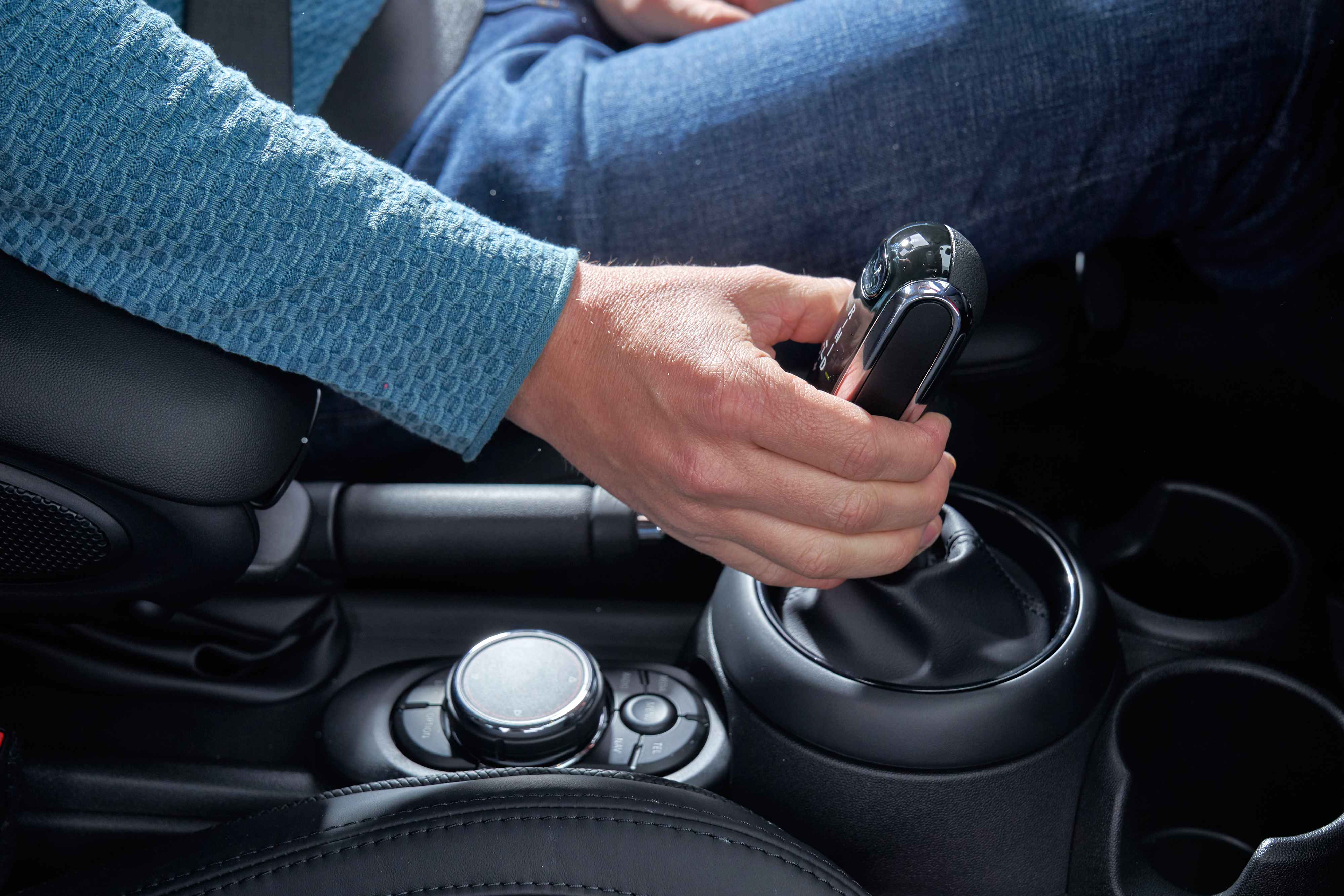
While most drivers in Singapore are preoccupied with rising fuel prices or soul-crushing traffic congestion, a silent victim sits beneath the transmission lever.
Your transmission is one of the most complicated and expensive components in your car. The alarming reality is that most transmission failures are not caused by manufacturing defects but by small, repetitive daily habits that accumulate into catastrophic mechanical failure.
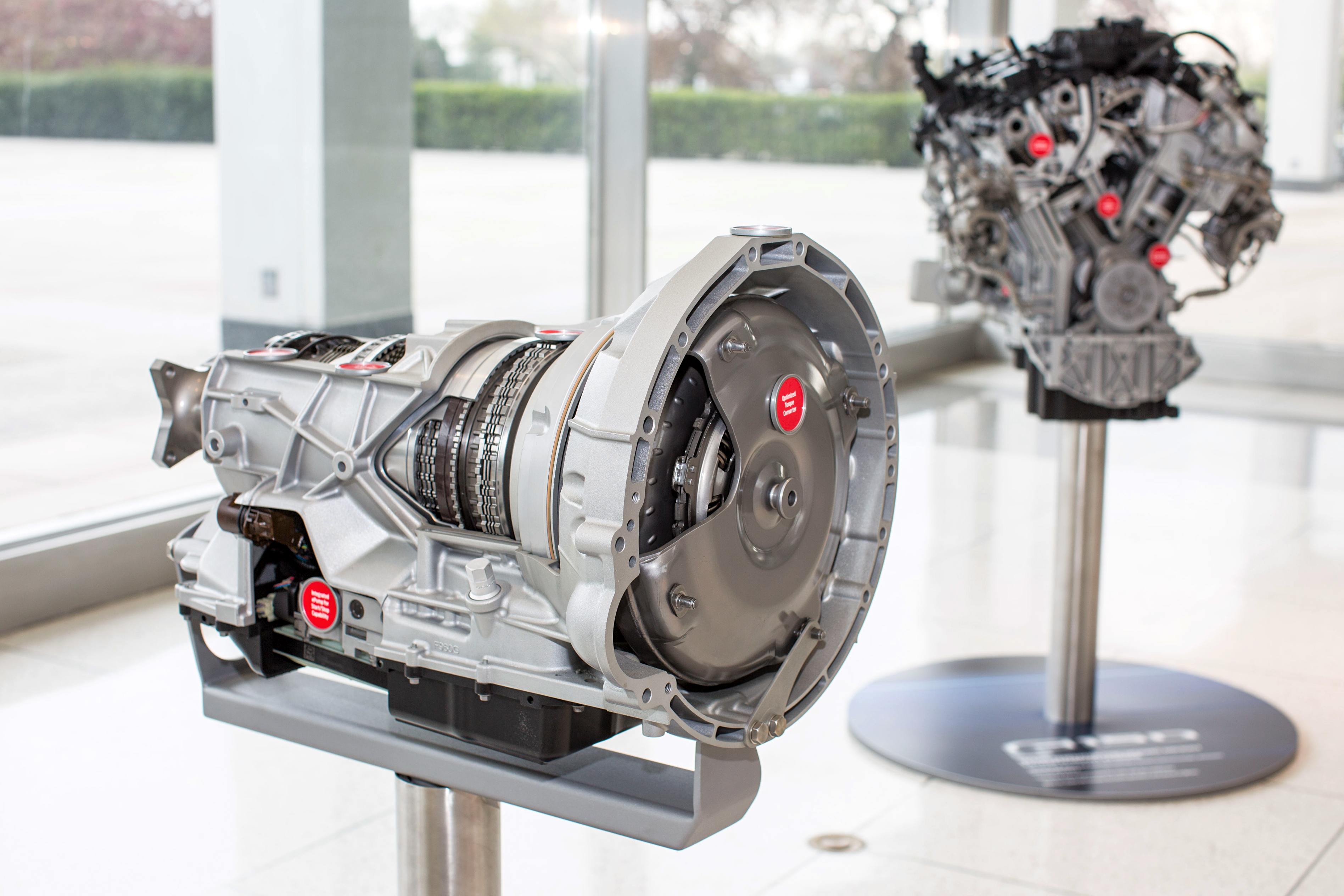
Understanding the transmission requires a basic definition of its function. The transmission acts as a torque multiplier, ensuring the engine stays within its optimal power band while providing the necessary force to move the wheels at varying speeds.
Whether you drive a traditional automatic, a fuel-efficient CVT (continuously variable transmission), or a clever DCT (dual-clutch transmission), the following three habits are likely compromising your vehicle's longevity.
1. Shifting to P (Park) without using the parking brake
The most widespread habit among local drivers of automatic cars involves coming to a stop, shifting the lever directly to P (Park), and then releasing the brake pedal before engaging the parking brake (electronic or manual handbrake).
This sequence is a recipe for mechanical disaster. According to The Brake Report (a global authority for the braking industry), relying solely on the Park gear to hold a vehicle's weight puts immense stress on the parking pawl. This component is essentially a small metal pin that locks the transmission's output shaft.
When you allow the car to roll into the Park gear on a slope, such as a basement or multi-storey carpark ramp, that tiny metal pin bears the entire kerb weight of your vehicle. Over time, this causes the pin to shear or the transmission to become jammed.
Experts recommend the "pro-stop sequence" to avoid this. Firstly, bring the car to a full stop with your foot on the brake pedal. Secondly, shift to N (Neutral). Thirdly, engage your handbrake or electronic parking brake. Fourthly, release the brake pedal to let the car settle. Finally, shift to P (Park). This ensures the parking brake does the heavy lifting while the gearbox remains unloaded.
2. Shifting directions while the vehicle is rolling
In the rush of exiting a parking spot or making a quick three-point turn, many drivers shift from R (Reverse) to D (Drive) while the car is still slowly moving backward.
Your transmission is designed to facilitate movement, not to act as a braking system. Shifting directions while rolling forces the internal clutch plates and bands to frictionally arrest the vehicle's momentum.
This creates massive internal heat and sheds microscopic metal particles into the transmission fluid. For those driving CVTs, this habit is particularly damaging to the steel belt and pulley system.
The mechanical rule here is absolute: Never move the gearlever from R to D until the car has reached a 100 percent dead stop. A two-second pause in this case is significantly cheaper than a five-figure repair bill.
3. Staying in D (Drive) during prolonged traffic stops
The "traffic light dilemma" is a frequent debate among motorists. Should you stay in Drive (D) or shift to Neutral (N) during a long wait?
According to the PTT Lubricants International Engineering Guide, for stops exceeding 60 seconds, shifting to Neutral and engaging the parking brake is the most ideal method. This practice manages the thermal load on the transmission fluid by disconnecting the engine's power from the wheels.
In stop-and-go city traffic, heat is the primary enemy of transmission oil. When you stay in Drive with your foot on the brake, the torque converter is constantly churning oil to generate force that is then wasted against the brakes.
For short stops of under 30 seconds, staying in Drive is acceptable. However, for those long-time red lights at major intersections, shifting to Neutral prevents the car from creeping and reduces unnecessary heat buildup.
Frequently asked questions
1. What is the "pro-stop sequence" for parking?
The said sequence involves stopping the car, shifting to Neutral, engaging the parking brake or handbrake, releasing the brake pedal so the car settles, and finally shifting to Park. This prevents the weight of the car from resting on the fragile internal parking pawl of the gearbox.
2. Is it bad to shift from Drive to Reverse while the car is moving?
Yes, shifting directions while the car is rolling causes extreme friction and heat within the transmission. It can shred internal clutch plates and is a leading cause of premature gearbox failure in both automatic and CVT vehicles.
3. Should I shift to Neutral at a red light?
For short stops under 30 seconds, you should stay in Drive. For long stops exceeding 60 seconds, it is better to shift to Neutral and use the parking brake or handbrake to reduce heat buildup in the transmission fluid and prevent the car from creeping forward.
4. Does coasting in Neutral save fuel?
Coasting in Neutral does not provide significant fuel savings in modern cars and is highly dangerous. It removes your ability to use engine braking, which can cause your brakes to overheat and fail, such as during downhill descents.
Super App for
Vehicle Owners


Download the Motorist App now. Designed by drivers for drivers, this all-in-one app lets you receive the latest traffic updates, gives you access to live traffic cameras, and helps you manage LTA and vehicle matters.
Did you know we have a Motorist Telegram Channel? Created exclusively for drivers and car owners in Singapore, you can get instant info about our latest promotions, articles, tips & hacks, or simply chat with the Motorist Team and fellow drivers.