Petrol prices in Singapore have increased to over $3 per litre - how now and what’s next?
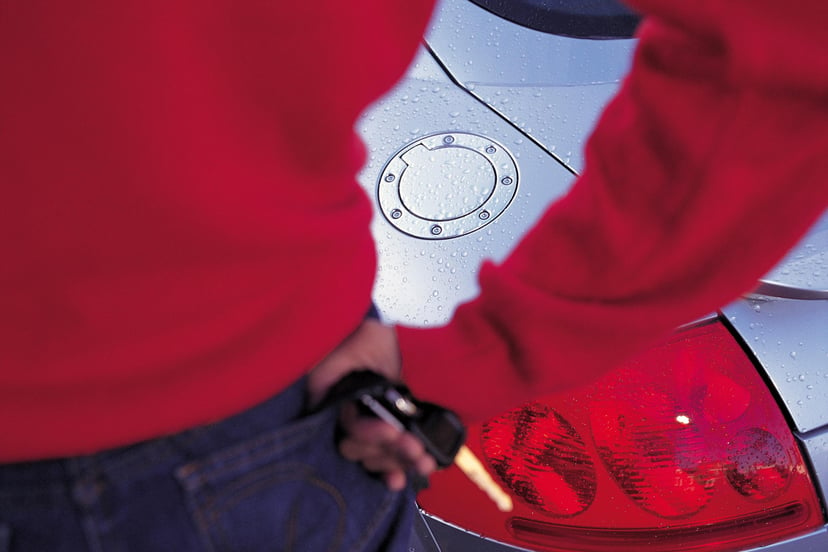
We answer your burning questions about the March 2026 surge in Singapore pump prices.
Why have petrol prices in Singapore gone up following the conflict in the Middle East?
Petrol prices in Singapore largely follow global oil price movements, as Singapore imports almost all of its fuel. Geopolitical tensions in the Middle East raise concerns about potential supply disruptions in major oil-producing regions, which in turn push up global crude oil prices. As a result, pump prices in Singapore typically move upwards as well.
What specifically is causing the increase in prices in Singapore?
At this stage, the increase appears to be driven more by market sentiment and uncertainty around potential supply disruptions rather than an immediate physical shortage of oil. When conflicts occur in key oil-producing regions, markets tend to price-in the risk of supply interruptions. This leads to higher crude prices globally, which eventually feed through to pump prices in Singapore.
How significant is the current increase in pump oil prices?
In Singapore, S$3 per litre is usually the psychological tipping point where motorists start paying closer attention to pump prices. That said, most drivers rarely pay the headline pump price. Between station discounts, credit card rebates and periodic promotions, motorists often pay significantly less than the listed rate.
Compared to the surge during the early stages of the Ukraine war in 2022, the current increase is noticeable but not yet at the level where motorists are feeling the pinch.
How long might the impact on pump oil prices last, and what should motorists expect in the near term?
Motorists in Singapore often feel that pump prices rise quickly when global tensions escalate but fall more slowly when conditions stabilise. If geopolitical tensions in the Middle East persist, motorists should expect pump prices to remain elevated in the near term, although pump-price movements at petrol stations may still be moderated by competition and promotions.
How have the recent increases in pump prices affected motorists on the ground?
So far, there are no strong indications that motorists are significantly reducing their driving in response to the increased pump prices. Car ownership in Singapore already involves substantial fixed costs such as COE, ARF and insurance, so fuel is typically viewed as a variable cost like parking that drivers absorb.
What we are seeing instead is motorists becoming more price-conscious, reflected in the almost 1,000 percent surge in web traffic to petrol-related pages on our Motorist site as drivers actively check and compare pump prices.
On average, how much more is a typical Singapore motorist paying to fill up their tank now compared to before the recent price hikes?
Based on pump prices for RON95 fuel, the most popular petrol grade in Singapore, the increase between February and early March is around 6 to 9 percent.
For a typical driver travelling around 1,500 kilometres per month, with (conservative) fuel consumption of about 10 kilometres per litre, this translates to spending roughly $20 to $40 more per month on refuelling, depending on the vehicle and the discounts applied.
Are there indications that rising fuel costs are becoming a significant financial stress point for drivers?
Fuel is part of the unavoidable running cost of owning a car, but in Singapore it is usually not the largest expense.
Compared with costs such as vehicle depreciation, financing and insurance, fuel typically forms a smaller share of total car ownership expenditure. However, the impact is more pronounced for high-mileage motorists such as cabbies and private-hire drivers, who pay for their own fuel which has become more expensive.
With fuel prices remaining high, will more motorists consider switching to electric vehicles in the long term?
Higher petrol prices alone are unlikely to significantly accelerate EV adoption in Singapore.
The big decision to switch to an electric vehicle depends on broader considerations such as new EV prices, resale/trade-in value (of current car), road tax structure and charging accessibility, rather than just pump prices.
For many motorists, the comfort and convenience of personal transport still outweigh the impact of higher fuel prices.
Is Motorist Singapore doing anything differently regarding its petrol price page given the recent volatility?
With fuel prices fluctuating more frequently, we are seeing motorists actively looking for ways to track prices and maximise available discounts.
Motorist already allows drivers to check/track the latest petrol prices across all major petrol-station chains in Singapore and compare discounts. Many of the almost 280,000 motorists registered to our Motorist super app also use it to receive prompt notifications of petrol price changes, so they can plan their motoring journeys accordingly.
Read More: Save petrol to save money - fuel efficiency hacks for Singapore drivers
Super App for
Vehicle Owners


Download the Motorist App now. Designed by drivers for drivers, this all-in-one app lets you receive the latest traffic updates, gives you access to live traffic cameras, and helps you manage LTA and vehicle matters.
Did you know we have a Motorist Telegram Channel? Created exclusively for drivers and car owners in Singapore, you can get instant info about our latest promotions, articles, tips & hacks, or simply chat with the Motorist Team and fellow drivers.