Motormouth: Right-sizing COE Category A to make it fit for purpose
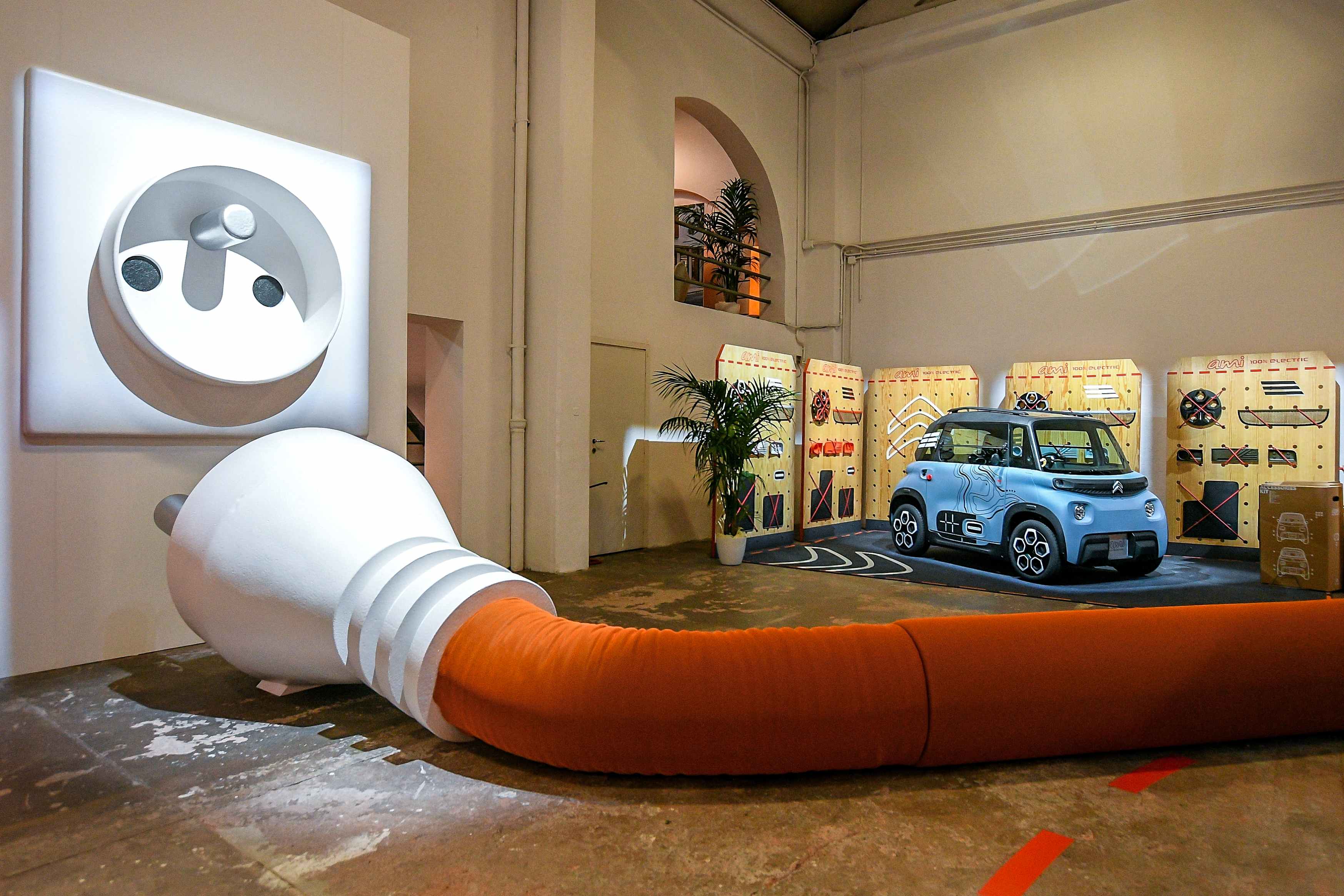
Drivers in Singapore deserve new Cat A car choices which are designed to be fit for purpose, rather than just underpowered big cars.
[Story by guest columnist Justin Lee]
When the price of Category A COE became higher than that of Category B COE in February 2026, it was obvious that it was just too “easy” for EV automakers to simply dial down the power output for their electric cars to Category A’s 110kW threshold or below.
This made a mockery of COE categorisation. Cat A is originally set aside for mass-market family cars, while Cat B is meant for more powerful and luxurious models. Even Tesla has ‘“developed” low-output versions of its Model 3 and Model Y to fit into Cat A!
Quite clearly, defining Cat A by just engine size and power limits is not sufficient when it comes to EV models.
I hereby suggest just two more parameters - width and weight. In addition to engine size and kilowattage, a Cat A car should also be limited to a maximum width of 1,750 millimetres and a maximum weight of 1,400 kilograms.
The concept of width is borrowed from the Japanese kei-car restriction of a car being not wider than 1,480 mm.
This dimension was determined by the narrowness of Japanese city streets and alleyways. To own a kei-car in Japan, one does not have to have a garage as the little car can be parked along the street without blocking the way, thus allowing other vehicles to pass.
At the 2026 Singapore Motorshow in January, the Honda Super-ONE EV drew a crowd because it is an EV with kei-car dimensions. Its aggressive “bulldog” demeanour also helped. Other Japanese carmakers have kei-sized EVs in their domestic market and these should be popular in Singapore too.
The question of weight has always been a problem with EVs because the battery packs are heavy, and this has pushed EV manufacturers to use lighter and more efficient batteries for their smaller models.
But because of Singapore’s COE Category A limited to just engine size and output, it was easier for the relevant car makers to simply dial down the motor output, instead of offering their more economical family-friendly models.
The result is, we get large EV models with less power than their counterparts in other markets outside of our city-state. These full-size but underpowered EVs specially created for Singapore would not be acceptable in any other country.
A revised Category A that includes width and weight limitations would not be a restriction on the range of EV models sold locally. In fact, it would actually bring more practical and economical EVs into Singapore.
In addition to the kei-sized models from Japan, prominent EV producers such as BYD and Hyundai also have attractive models that fit into this new Cat A segment.
For instance, the compact and rakish BYD Seagull is actually a best-selling model in China, and the upright Hyundai Inster EV is gaining popularity in Korea, with its latest variants having more luxurious trim levels.
On an even more esoteric level, electric two-seaters such as the Citroen Ami and Microlino might find their way here. VinFast from Vietnam also has the VF3 and VF5, which would meet these new Cat A standards.
Having more legislation and restricted technical parameters, far from being a hindrance to creative thinking in the Singapore motoring context, actually spurs car importers to become cleverer.
Implementing a narrower definition of Cat A will split the market between those who need a smaller/simpler car (e.g. middle-class families with young children) and those who want a bigger/costlier car as a form of status and prestige (e.g. successful business people).
So, I hope the reworked COE Category A will include restrictions on a car’s width and weight, in addition to engine/motor power output.
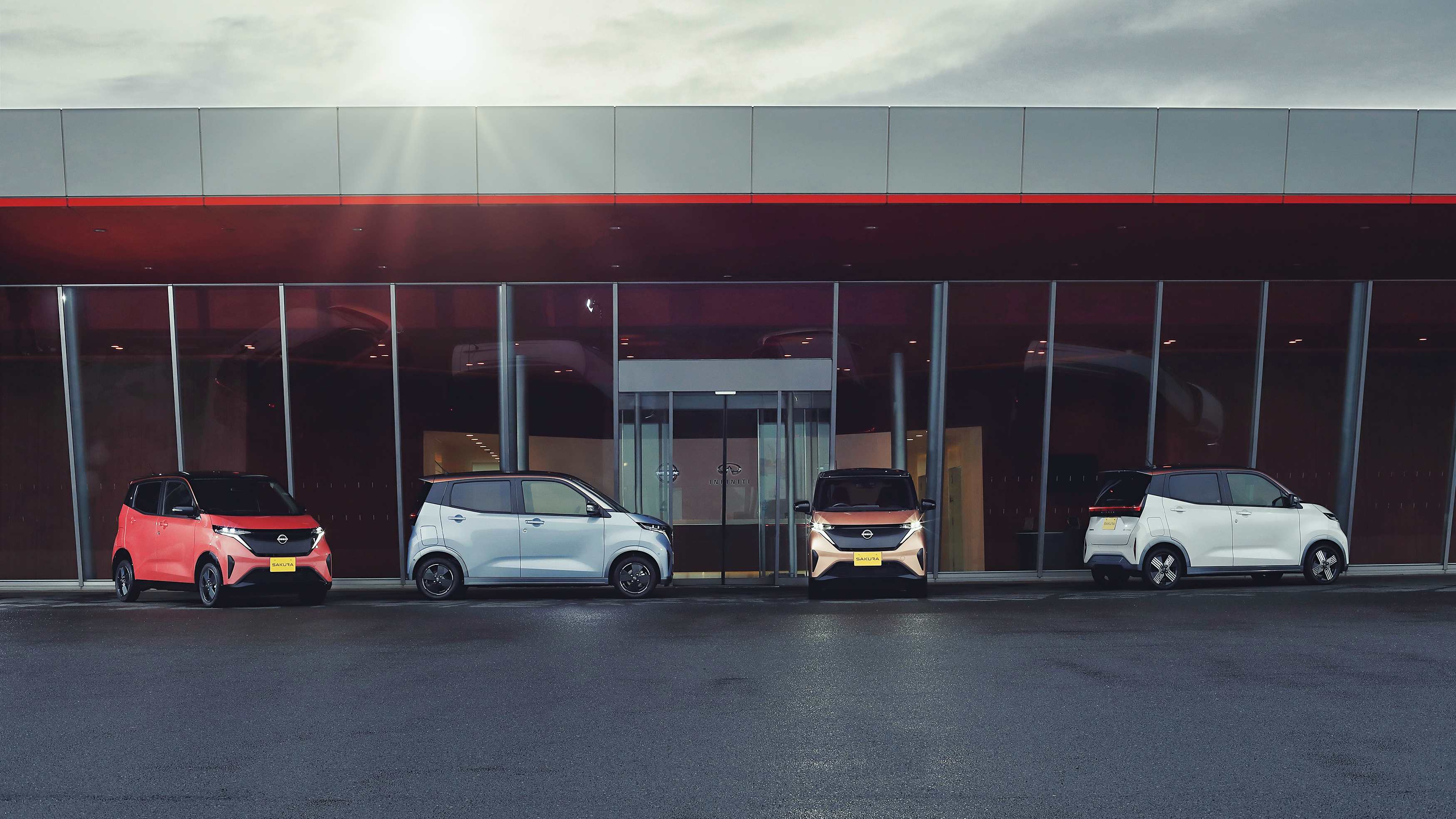 Kei-class electric cars might appear at Leng Kee dealerships if the columnist's proposed COE Category A sees the light of day.
Super App for
Vehicle Owners
Download the Motorist App now. Designed by drivers for drivers, this all-in-one app lets you receive the latest traffic updates, gives you access to live traffic cameras, and helps you manage LTA and vehicle matters.
Did you know we have a Motorist Telegram Channel? Created exclusively for drivers and car owners in Singapore, you can get instant info about our latest promotions, articles, tips & hacks, or simply chat with the Motorist Team and fellow drivers.


5 days ago
9 days ago
10 days ago
10 days ago
10 days ago